In today's diverse industrial landscape, the demand for reliable and efficient motion solutions is ever-growing. For manufacturers and engineers, selecting the right component can shape productivity and performance. Among these components, Other Gear Motors stand out as versatile options. They provide not only the necessary torque but also enhance energy efficiency in various applications.
Understanding the types of Other Gear Motors available is crucial for global buyers. Each option presents unique advantages and challenges. Buyers must consider specific requirements, such as speed, load capacity, and application type. This awareness helps avoid common mistakes and ensures a valuable investment.
As we delve into the top 10 Other Gear Motor options, it’s essential to acknowledge the variability in quality and performance across different manufacturers. Not every motor meets the same standards. Reflecting on these aspects can guide choices and foster better long-term results in industrial operations.
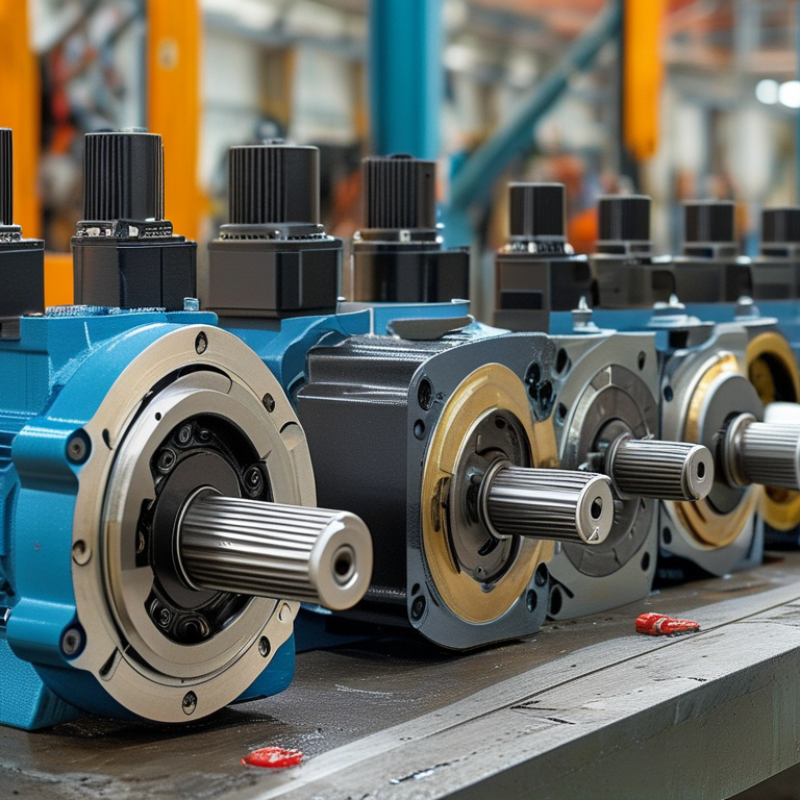
Types of Gear Motors Available for Global Buyers
When considering gear motors, various options cater to global buyers. Understanding the types of gear motors is essential for making informed decisions. These motors can be categorized based on design, function, and power requirements. Common types include helical, bevel, and worm gear motors. Each type has unique advantages and applications in different industries.
Helical gear motors provide quiet operation and high efficiency, making them suitable for heavy machinery. Bevel gear motors excel in applications requiring angular motion. Worm gear motors offer high reduction ratios, which is ideal for low-speed scenarios. Each variant serves specific needs, so understanding their functionalities will help buyers select the best fit.
Tips for selecting gear motors include assessing load requirements and operating conditions. Also, consider the motor's efficiency ratings. A proper balance between torque and speed is crucial. Don’t overlook the importance of environmental factors that may affect performance. Buyers should reflect on past choices and learn from any shortcomings to enhance their future selections.
Key Features to Consider When Choosing Gear Motors
When selecting gear motors, several key features warrant careful consideration. Efficiency is critical. Research indicates that high-efficiency motors can reduce energy consumption by up to 30%. For many users, torque requirements are essential. Motors must deliver the necessary torque for specific applications, or performance may suffer.
Noise levels can significantly impact operations. A quieter motor improves the workspace environment. Look for specifications that detail sound levels. Durability is another major factor. Gear motors often endure harsh conditions, so they should resist wear and corrosion.
Tips: Always check the material specifications. A robust casing often means better longevity. Analyze thermal performance. Overheating can lead to motor failure, so this is vital.
Weight and size also matter. Compact motors save space but should not sacrifice output. Industry studies highlight a trend toward smaller, more powerful motors. Users must find the balance between size and performance.
Feedback mechanisms can enhance functionality. Systems that allow for monitoring efficiency can lead to reductions in downtime. In sensitive environments, temperature control might be necessary. Advanced gear motors with integrated cooling can help maintain optimal performance.
Top Applications of Gear Motors in Various Industries
Gear motors are crucial in diverse industries. Their ability to provide precise control over speed and torque makes them invaluable. In manufacturing, they power conveyor belts, allowing smooth movement of materials. They also operate robotic arms for tasks like assembly or packaging. The versatility of gear motors contributes to greater efficiency in these settings.
In the renewable energy sector, gear motors enhance the performance of wind turbines. They adjust the blade pitch, ensuring optimal energy capture. In agriculture, gear motors facilitate automated irrigation systems. This tech helps farmers conserve water and improve crop yield. However, not all applications are perfect; occasional maintenance is necessary to avoid downtime.
The automotive industry also benefits from gear motors. They assist in electric vehicles, powering various functions. They can be found in seating adjustments and window lifts. Yet, challenges may arise, like compatibility issues with different vehicle models. Exploring and refining these applications can lead to significant advancements in efficiency and functionality.
Top 10 Other Gear Motor Options for Global Buyers
| Gear Motor Type |
Power (HP) |
Voltage |
Efficiency (%) |
Applications |
| AC Gear Motor |
1.0 |
230V |
85 |
Conveyor Systems |
| DC Gear Motor |
0.5 |
12V |
90 |
Robotics |
| Stepper Gear Motor |
0.25 |
24V |
80 |
3D Printers |
| Planetary Gear Motor |
2.0 |
400V |
92 |
Industrial Automation |
| Servo Gear Motor |
0.75 |
48V |
95 |
CNC Machinery |
| Next-Gen Gear Motor |
1.5 |
220V |
89 |
Food Processing |
| Geared Stepper Motor |
0.8 |
36V |
87 |
Textile Machinery |
| Brushless Gear Motor |
1.2 |
500V |
91 |
Elevators |
| High Torque Gear Motor |
3.0 |
600V |
88 |
Mining Equipment |
| Compact Gear Motor |
0.3 |
110V |
93 |
Home Appliances |
Comparative Analysis of Leading Gear Motor Brands
In the realm of gear motors, a wide variety of options exist for global buyers. Analyzing leading brands reveals significant differences in design and performance. Some focus on high torque, while others emphasize energy efficiency. This variation allows users to select motors best suited to their specific needs.
Certain brands excel in compact designs that fit limited spaces, yet they may compromise on power capacity. Others offer robust options with heavy-duty capabilities, catering to industrial applications. Customers often find it challenging to choose between weight and power. Additionally, durability can vary, impacting long-term reliability. Costs fluctuate widely, which can mislead buyers about value.
A constant challenge lies in balancing quality with budget. Some affordable options perform surprisingly well, while premium brands might fall short of expectations. Users need to assess not just price but overall performance and longevity. Real experiences shared by other buyers can provide invaluable insight. Thus, thorough research is crucial when navigating the diverse gear motor market.
Cost Factors and Budgeting for Gear Motor Purchases
When considering gear motor purchases, cost factors play a significant role in decision-making. Analysis shows that the initial price is just one part of the total cost of ownership. According to a recent industry report, operational efficiency and lifecycle costs can account for up to 60% of overall expenses. Buyers must evaluate these factors carefully.
Budgeting for gear motors involves assessing application requirements and the expected operational life. High-efficiency motors often cost more upfront but provide savings over time. A study indicated that energy-efficient gear motors can lead to a 30% reduction in energy costs over five years. Additionally, maintenance costs can vary widely depending on the motor type. Regular service may add up, especially for less robust designs.
Buyers should also consider potential hidden costs, such as installation and downtime. Some users have reported that underestimating these costs led to budget overruns. An additional layer to consider is fluctuations in material prices. Metal fluctuations can affect gear motor costs unpredictably, disrupting budgeting plans. Awareness and planning for these factors is crucial.
FAQS
: Consider efficiency, torque requirements, noise levels, durability, size, feedback mechanisms, and thermal performance.
High-efficiency motors can reduce energy consumption by up to 30%. This leads to cost savings over time.
Motors must meet specific torque requirements. Inadequate torque can lead to performance issues in applications.
Quieter motors enhance the workspace environment, reducing distractions for workers and improving productivity.
Gear motors face harsh conditions. They need to resist wear and corrosion for long-lasting performance.
Compact motors save space but should not compromise power. Finding the right balance is crucial for applications.
Hidden costs may include installation, maintenance, downtime, and material price fluctuations. These can impact budgeting.
Feedback systems monitor efficiency, potentially reducing downtime and enhancing overall operational performance.
Maintenance expenses can vary based on motor type. Regular service might significantly increase total ownership costs.
Being aware of possible hidden costs and material price fluctuations can prevent budget overruns and improve financial planning.
Conclusion
The article "Top 10 Other Gear Motor Options for Global Buyers" explores the diverse types of gear motors available, catering to various needs across global markets. It highlights essential features to consider when selecting gear motors, such as efficiency, durability, and compatibility with different applications. The article also delves into the primary applications of gear motors across various industries, showcasing their versatility in functions like automation, transportation, and robotics.
In addition, the piece provides a comparative analysis of leading gear motor brands, helping buyers make informed choices. Understanding cost factors and budgeting is crucial, as it allows buyers to evaluate their options effectively while ensuring they get the best value for their investment in other gear motor solutions. Overall, this article serves as a comprehensive guide for global buyers looking to navigate the market for gear motors.
