Why Choose a Robotic Gear Motor for Your Automation Needs?

Time:2026-09-05 Author:Henry
0%

In today's rapidly evolving automation landscape, selecting the right components is crucial. A Robotic Gear Motor stands out due to its unique advantages. These motors provide precise control, enabling smooth and reliable operation for various applications.

Engineers and developers often overlook the importance of gear motors, leading to suboptimal performance. The right Robotic Gear Motor enhances efficiency and reduces wear. It can manage heavy loads effortlessly, making it suitable for robotics and industrial automation.

While many options exist, not all deliver consistent results. Understanding the specific needs of your project is essential. A knowledgeable selection can prevent issues down the line. With careful consideration, the right gear motor can revolutionize your automation processes.
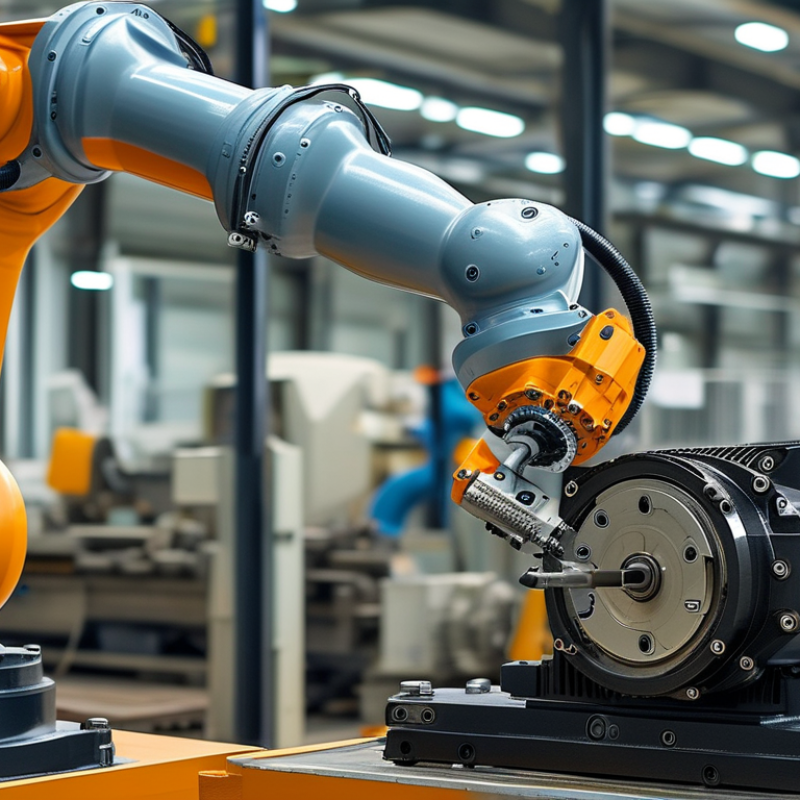
Why Choose a Robotic Gear Motor for Your Automation Needs?

The Increasing Demand for Automation in Various Industries

Automation is reshaping industries worldwide. The demand for efficient and reliable solutions is skyrocketing. Robotic gear motors are pivotal in meeting these needs. They provide precise control, essential for tasks requiring accuracy. Many sectors, like manufacturing and logistics, are now heavily relying on automation.

In factories, robotic gear motors streamline assembly lines. They handle repetitive tasks swiftly, reducing error rates. These motors can also adjust speed and torque, offering flexibility. However, choosing the right motor can be challenging. Each application has unique requirements. It's crucial to consider load capacity and power consumption.

The healthcare sector is also embracing automation. Robotic systems assist surgeries and manage hospital logistics. Precision is critical here, as even small errors can have serious consequences. As industries evolve, the need for reliable solutions intensifies. Businesses must stay updated with technology trends. Innovation may bring unforeseen challenges, demanding constant adaptation.

Automation Adoption Rates in Different Industries (2023)

Key Advantages of Robotic Gear Motors Over Traditional Motors

Robotic gear motors are gaining traction in automation for several reasons. These motors combine precision and reliability, making them a smart choice. According to industry reports, robotic gear motors can improve efficiency by up to 30% compared to traditional motors. This efficiency often translates to lower energy consumption and reduced operating costs.

One key advantage of robotic gear motors is their compact design. These motors are lightweight yet provide high torque, which is crucial in space-constrained applications. Additionally, they allow for smoother motion and better control. In fact, studies show that precision movements can increase productivity in robotic applications by 15% or more. This is particularly important in industries like manufacturing and healthcare.

Another notable benefit is their durability. Robotic gear motors are built to withstand harsh environments, reducing the need for frequent maintenance and replacements. Reports indicate that these motors can last two to three times longer than standard motors under similar conditions. However, it’s essential to consider the specific requirements of your automation project. Not every application may benefit equally from switching to robotic gear motors. Understanding your unique needs is crucial for making the right choice.

Performance Metrics: Efficiency and Torque in Robotic Gear Motors

Robotic gear motors are gaining traction in automation. Their efficiency and torque are critical for performance. Recent studies reveal that high-efficiency gear motors can achieve over 90% efficiency in various applications. This can lead to significant energy savings. Additionally, these motors can provide advantageous torque characteristics.

Torque is vital in tasks requiring precision and strength. A motor's ability to convert electrical energy into mechanical power directly affects its overall functionality. Some reports indicate that premium gear motors can deliver torque values three times higher than conventional motors. This means that they can handle heavier loads and dynamic movements with ease, enhancing the capabilities of robotic systems.

However, not all gear motors are created equal. Factors like gear materials and designs impact performance. It’s essential to evaluate these attributes carefully. One recent analysis listed that over 20% of robotic failures are linked to inadequate torque performance in gear motors. Thus, selecting the right motor is not just about efficiency; it demands a complex understanding of torque dynamics as well. Potential users should reflect on their specific requirements to ensure optimal operation of their automation systems.

Performance Metrics of Robotic Gear Motors

Motor Model Efficiency (%) Torque (Nm) Speed (RPM) Weight (kg)
Model A 85 2.5 150 1.2
Model B 88 3.0 120 1.5
Model C 90 4.0 100 1.8
Model D 82 2.0 140 1.0
Model E 87 3.5 130 1.3

Applications of Robotic Gear Motors in Manufacturing and Robotics

Robotic gear motors play a crucial role in various manufacturing and robotics applications. In the automotive industry, these motors enable precise movements for assembly lines. They help robots handle components with accuracy, reducing errors. As robots become integral to production, the need for reliable gear motors grows.

In warehouse automation, robotic gear motors power mobile robots for inventory management. These robots navigate aisles, locate products, and transport them efficiently. They rely on gear motors to provide the necessary torque and speed. Often, this process raises questions about power consumption and efficiency in different load conditions. The performance can vary, necessitating ongoing evaluation and adjustment.

Moreover, in medical robotics, gear motors allow for delicate manipulation. Surgical robots must operate with high precision. Here, the choice of gear motor directly affects outcomes. It's essential to reflect on whether the chosen technology fully meets the requirements for safety and efficiency. Continuous improvement and feedback from the field can enhance performance and reliability in these critical applications. The evolving landscape of automation demands a thoughtful selection of components.

Future Trends in Robotic Gear Motor Technology and Innovation

The landscape of robotic gear motor technology is rapidly evolving. Innovations are pushing the boundaries of automation. Future trends focus on smarter, more efficient designs. Energy efficiency is becoming a key priority. Manufacturers are striving to create motors that consume less power while delivering better performance. This shift not only reduces operational costs but also supports sustainability.

Smart technology integration is another significant trend. The rise of IoT-enabled gear motors allows for real-time data analytics. Users can monitor performance and diagnose issues quickly. This capability enhances reliability and operational readiness. However, the challenge remains in ensuring software compatibility and security.

Consider evaluating motor specifications carefully. Choose motors that meet your application demands. Look for vendors with a strong reputation. It's vital to assess not only the product but also the support services offered. As technology advances, staying informed about new developments can greatly benefit your automation projects. Embrace innovation but remain cautious about its integration. Aim for a balance between cutting-edge technology and proven reliability.

FAQS

: What industries are increasing their demand for automation?

: Many industries, including manufacturing and logistics, are adopting automation to improve efficiency and reliability.

How do robotic gear motors help in manufacturing?

They streamline assembly lines and handle repetitive tasks, reducing error rates significantly.

What is critical when choosing a gear motor for an application?

It’s crucial to consider load capacity and power consumption specific to each application’s requirements.

Why is precision important in healthcare automation?

In healthcare, small errors can lead to serious consequences, making reliable robotic systems essential.

What challenges might businesses face with increasing automation?

Businesses must adapt to rapid technology changes, which may bring unexpected challenges requiring constant evaluation.

How do gear motors contribute to warehouse automation?

They power mobile robots that manage inventory, helping locate products and transport them efficiently.

What should be reflected upon when selecting gear motors for medical robotics?

Consider if the chosen technology meets safety and efficiency requirements, as it impacts surgical outcomes.

Why is continuous evaluation necessary for gear motor performance?

Performance can vary under different load conditions, necessitating ongoing assessment and adjustment.

How do robotic gear motors enhance flexibility in tasks?

They can adjust speed and torque, enabling them to adapt to various operational needs effectively.

What role does feedback play in improving automation solutions?

Continuous feedback from real-world applications helps enhance performance and reliability in automation technologies.

Conclusion

The growing demand for automation across various industries has led to the increased adoption of Robotic Gear Motors. These advanced motors offer significant advantages over traditional motors, including enhanced efficiency and torque, making them ideal for high-performance applications. Their ability to deliver precise control and reliable operation is particularly beneficial in manufacturing and robotics, where automation plays a crucial role in optimizing processes and improving productivity.

Looking ahead, the future of Robotic Gear Motor technology promises further innovation, with advancements aimed at increasing performance and adaptability. As industries continue to evolve, the integration of these motors will likely enhance automation capabilities, driving efficiencies and fostering new applications that were previously unimaginable. Thus, Robotic Gear Motors are set to become a cornerstone of modern automation solutions.

Henry

Henry

Henry is a dedicated marketing professional with a profound expertise in the company's offerings. With years of experience in the industry, he possesses an impressive understanding of the market dynamics and consumer behaviors that drive success. Henry is committed to sharing his insights through......