2026 Top Compact Gear Motor Manufacturers for Global Buyers

Time:2026-09-30 Author:Sienna
0%

Compact gear motors are small components with a large effect on machine performance. They combine a motor and gearbox to deliver controlled speed and torque where installation space is limited. In packaging lines, laboratory equipment, conveyors, and automated fixtures, the right unit can improve motion consistency and simplify integration. The wrong choice can bring excess heat, noise, or premature wear. Details matter.

This guide to 2026 Top Compact Gear Motor Manufacturers for Global Buyers helps procurement teams compare suppliers beyond headline specifications. It considers product range, customization, manufacturing capability, quality documentation, technical support, and experience serving international customers. Buyers should also check practical details: rated torque at the required speed, duty cycle, mounting dimensions, shaft design, voltage, and operating environment. A motor that fits a drawing may still fall short under real load.

There is no universal best manufacturer. Not really. A supplier suited to a high-volume appliance program may not fit a low-volume industrial project. Published claims are useful, but samples, test records, and clear responses to engineering questions offer stronger evidence. Availability, lead times, and service can also change by region and project. This comparison is a starting point, not a substitute for validation. Some specifications may look comparable on paper, yet differ in test conditions. That deserves a closer look. By weighing technical fit alongside communication and supply reliability, global buyers can build a more defensible shortlist and choose a Compact Gear Motor partner with fewer surprises.
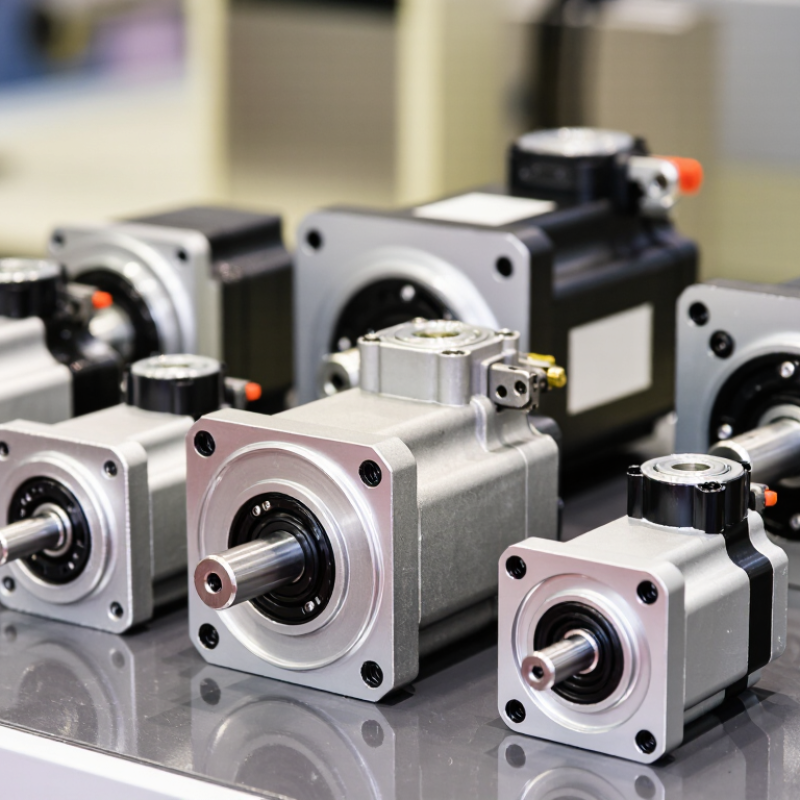
2026 Top Compact Gear Motor Manufacturers for Global Buyers

Compact Gear Motor Basics: 12–60 V, 10–500 W, and 20–300 rpm

2026 Top Compact Gear Motor Manufacturers for Global Buyers

Compact gear motors are practical when space, torque, and control must coexist. Common specifications include 12–60 V, 10–500 W, and 20–300 rpm. These ranges suit conveyors, medical devices, automation units, access systems, and small agricultural equipment.

A reliable manufacturer should explain torque ratings, duty cycles, gearbox materials, insulation classes, and testing methods. Ask for load curves, noise data, thermal limits, and sample inspection records. Voltage selection affects wiring, controller compatibility, and battery performance. A 12 V motor may suit mobile equipment, while 48 V options can reduce current in longer cable runs. Speed reduction also needs care. A motor rated at 300 rpm may slow considerably under heavy load. That detail is easy to miss. I have seen projects choose by rated speed alone, then revise the gearbox after field testing.

Tips: Define continuous and peak loads separately. Check shaft direction, mounting dimensions, backlash, and connector protection. Request a prototype before placing a large order. Compare measured performance, not only catalog figures. Leave thermal margin, especially inside sealed housings. Small motors still produce heat. Also confirm production consistency, traceability, warranty terms, and export documentation. A low purchase price can become expensive when tolerances vary between batches. Recheck the application after testing; the first specification is not always the correct one.

2026 Compact Gear Motor Basics for Global Buyers

Reference specification ranges commonly used for compact gear motor selection: 12–60 V, 10–500 W, and 20–300 rpm. These limits describe an operating envelope rather than one motor configuration.

2026 Manufacturer Ranking Criteria: ISO 9001, IEC 60034, and IP Ratings

2026 Top Compact Gear Motor Manufacturers for Global Buyers

For global buyers, manufacturer ranking should begin with evidence, not catalogue claims. ISO 9001 certification indicates a controlled quality system, but it does not guarantee every motor is reliable. Review audit dates, corrective actions, traceability records, and inspection procedures. A factory that can explain failed batches often deserves more trust than one showing perfect charts.

IEC 60034 compliance helps buyers compare motor performance, efficiency, temperature rise, insulation, and testing methods. Ask for complete test reports, not only certificates. During evaluation, check whether the reported torque matches real operating conditions. A compact gear motor may run smoothly on a bench, yet overheat inside a sealed machine. Small details matter.

IP ratings also require careful reading. IP65 can indicate protection from dust and water jets, while IP67 addresses temporary immersion under defined conditions. Neither rating proves resistance to chemicals, vibration, or continuous outdoor exposure. Inspect sealing surfaces, cable entries, and housing joints. Ask how ratings were verified and whether production units follow the tested design.

Practical experience remains important. Request samples, load-cycle data, noise measurements, and maintenance guidance. Supplier responses reveal technical maturity. Some documents may be incomplete, and that should not be ignored. A fair ranking should record these gaps instead of hiding them. Price matters, but repeatable quality, transparent testing, and responsive engineering support usually matter more for long-term equipment performance.

Gear Technology Comparison: Spur, Worm, Helical, and Planetary Designs

Compact gear motors serve conveyors, medical devices, access systems, and other equipment where space is tight. Choosing a gear type means balancing speed, torque, efficiency, noise, and cost. Spur gears are straightforward and efficient, making them useful for steady loads. However, they can sound sharp at higher speeds. Helical gears mesh more gradually, often reducing noise and vibration, though their axial forces require suitable bearing support. Small details matter.

Worm gears can provide high reduction in a compact, right-angle arrangement, and some designs resist back-driving. Their sliding contact may create more heat and lower efficiency, especially under continuous heavy loads. Planetary gears distribute load across multiple gears, offering high torque density and a coaxial layout. They can suit compact, demanding applications, but assembly tolerances and lubrication deserve close attention. No design wins every duty. Teams sometimes focus too much on peak torque and overlook heat during real operating cycles.

Tips: Compare the motor’s speed and torque at the actual duty point, not just its maximum rating. Ask for noise, temperature-rise, and life-test data under similar loads. A short test with your own load can reveal fit issues early.

Global Buyer Scorecard: Torque, Duty Cycle, Noise, and 90%+ Efficiency

Choosing a compact gear motor in 2026 requires more than comparing catalogue torque. Buyers should match rated torque with the real load, startup resistance, and gearbox shock. A motor lifting a 12-kilogram conveyor load may need a 30% torque margin. Repeated starts can expose weaknesses quickly. Duty cycle matters just as much. A unit rated for intermittent operation may overheat during an eight-hour production shift.

Efficiency above 90% sounds impressive, but test conditions deserve attention. Efficiency changes with speed, voltage, temperature, and load percentage. Ask for measured data, not a single promotional figure. Noise should be checked at one metre, under working load, with the motor mounted on the intended frame. A quiet motor on a laboratory bench may sound different inside a metal enclosure. Small details matter.

Tips: Request torque-speed curves, thermal-rise data, duty-cycle limits, and noise measurements. Keep a written comparison sheet. Include warranty terms, test standards, and spare-part availability. Leave practical space for alignment errors and ventilation. My experience suggests that buyers often underestimate starting torque and overtrust peak efficiency. That mistake is costly. A balanced scorecard usually gives a more dependable result than the highest headline number.

International Sourcing Checks: RoHS, REACH, MOQ, Lead Time, and Warranty

For global buyers comparing compact gear motors, compliance documents deserve the same scrutiny as torque and mounting dimensions. EU RoHS restricts ten substances in electrical and electronic equipment; REACH obligations depend on the substances and components involved. Ask for dated declarations tied to the exact motor configuration, including its cable, coating, and connector. A generic certificate may not cover a later material change. Small details matter.

MOQ and lead time should be quoted against a defined drawing, test plan, and order quantity. Request separate timelines for samples, production, inspection, and shipping. The World Bank’s 2023 Logistics Performance Index assessed 139 economies across six dimensions, including customs, tracking, and timeliness. That is a useful reminder: factory lead time is not door-to-door delivery time. Warranty terms also need specifics, such as coverage period, operating conditions, and the process for evaluating a failed unit. A neat spreadsheet still misses risks if these assumptions stay vague.

Tips: Ask suppliers to confirm MOQ, production lead time, warranty limits, and document revision dates in writing. Compare like with like. If a quote looks unusually clean, check what it leaves out.

2026 Top Compact Gear Motor Manufacturers for Global Buyers - International Sourcing Checks: RoHS, REACH, MOQ, Lead Time, and Warranty
Supplier / Product Profile RoHS Check REACH Check Indicative MOQ Indicative Lead Time Warranty Check
Standard catalog DC gear motor
Common voltage, gearbox ratio, and shaft options
Request a current RoHS declaration for the exact motor configuration. Confirm the applicable EU RoHS requirements and any exemptions cited. Request the supplier’s current SVHC communication or declaration. Confirm how the supplier handles updates to the REACH Candidate List. Samples may be available in small quantities; repeat orders commonly depend on stock and packaging requirements. Stocked items may ship sooner; replenishment commonly takes several weeks. Confirm stock status and dispatch date in writing. 12 months is a common warranty benchmark, but coverage, start date, exclusions, and remedy should be stated in the quotation or contract.
Customized DC gear motor
Non-standard voltage, winding, shaft, connector, or mounting
Ensure the declaration covers the customized bill of materials, including cable, connector, coatings, and other supplied parts. Ask whether REACH information covers all supplied components and whether any article contains an SVHC above the applicable communication threshold. Often higher than catalog products; tooling, component purchasing, and customization affect the minimum order. Allow additional time for engineering approval, component sourcing, and production. Agree milestone dates before placing the order. Confirm whether warranty coverage includes the customized assembly and whether changes to the specification affect coverage.
Compact planetary gear motor
Higher torque density or application-specific reduction ratio
Verify the declaration for the complete motor-and-gearbox assembly, not just the motor component. Request component-level supporting information where the assembly includes separately sourced gears, lubricants, or accessories. Typically quotation-specific; ask for separate minimums for samples, pilot builds, and production orders. Depends on ratio availability, gear-stage configuration, and production capacity; obtain a confirmed schedule for the exact specification. Check whether the warranty distinguishes motor, gearbox, and wear-related failures, and clarify the process for returned goods.
OEM integrated gear motor assembly
Motor supplied with controller, encoder, brake, or harness
Request compliance documentation for the complete supplied assembly and identify which party is responsible for each component declaration. Confirm that the REACH assessment includes electronics, wiring, and accessories, and define responsibility for future declaration updates. Usually depends on the least readily available component and any required programming or assembly setup. Include component procurement, integration, testing, and approval samples in the lead-time plan. Define whether the motor and integrated electronics have the same warranty period and who manages troubleshooting and claims.
Buyer verification before order
Applies to all configurations and supplier types
Match declarations to the quoted model, revision, and destination-market requirements; request supporting test reports when needed. Check the declaration date and product scope. For EU articles, ask how the supplier addresses REACH Article 33 communication obligations where applicable. Obtain written minimums for samples, pilot production, and repeat orders; confirm whether mixed configurations count toward the MOQ. Record production time separately from transit and customs time. Confirm the shipping term, dispatch point, and schedule-change process. Document the warranty period, start date, exclusions, claim evidence, freight responsibility, and repair or replacement terms.

Planning note: MOQ, lead time, and warranty terms vary by supplier, specification, order quantity, and destination. The figures and descriptions above are general sourcing benchmarks, not verified quotations or claims about specific manufacturers. Confirm current requirements and obtain model-specific documents before purchase.

FAQS

What specifications are common for compact gear motors?

Common ranges include 12–60 V, 10–500 W, and 20–300 rpm. These values suit conveyors, medical devices, automation units, and compact equipment. Application matters more than range alone.

How should I choose the motor voltage?

Match voltage with the controller, wiring, and power source. A 12 V motor may suit mobile equipment. A 48 V motor can reduce current across longer cables. Check battery performance and connector ratings too.

Why is rated speed not enough?

A motor rated at 300 rpm may slow under heavy load. Reduction, torque, and operating temperature affect actual speed. Test the motor at its real duty point. Catalog speed can mislead.

Which gear design suits a compact application?

Spur gears are simple and efficient for steady loads. Helical gears often reduce noise and vibration. Worm gears provide compact, right-angle reduction but may create more heat. Planetary gears offer high torque density in a coaxial layout. No design wins every duty.

How should torque requirements be calculated?

Include continuous load, peak load, startup resistance, and gearbox shock. A conveyor carrying 12 kilograms may need about 30% extra torque. Repeated starts can reveal weaknesses quickly. Peak torque alone is not enough.

What does duty cycle tell me?

Duty cycle shows how long the motor can operate safely. An intermittent unit may overheat during an eight-hour shift. Separate continuous and peak loads. Leave thermal margin inside sealed housings. Small motors still produce heat.

Is efficiency above 90% always better?

Not necessarily. Efficiency changes with speed, voltage, temperature, and load. Request measured efficiency at your operating condition. A single headline number may hide poor real-world performance. That detail matters.

How can noise and vibration be tested properly?

Measure noise at one metre under the working load. Mount the motor on its intended frame. A quiet laboratory test may differ inside a metal enclosure. Check vibration, temperature rise, and shaft alignment together.

What should I request before placing a large order?

Request torque-speed curves, thermal data, noise results, and sample inspection records. Check mounting dimensions, shaft direction, backlash, and connector protection. Ask for a prototype first. Compare measured performance, not only catalog figures. The first specification may be wrong.

Conclusion

This guide to 2026’s top Compact Gear Motor manufacturers helps global buyers evaluate products and suppliers with confidence. It covers common motor specifications, including 12–60 V, 10–500 W, and 20–300 rpm, and explains how to compare spur, worm, helical, and planetary gear designs. Manufacturer assessment criteria include quality management, applicable IEC 60034 requirements, and suitable IP ratings.

A practical buyer scorecard should weigh torque, duty cycle, operating noise, and efficiency, while matching performance to the intended application. The guide also highlights essential sourcing checks, such as RoHS and REACH documentation, minimum order quantities, lead times, and warranty terms. Together, these considerations offer a clear framework for comparing options and selecting a reliable solution for international purchasing needs.

Sienna

Sienna

Sienna is a skilled marketing professional with a deep expertise in our company’s core products and services. With a passion for innovation and detail, she plays a pivotal role in crafting insightful blog posts that not only highlight the unique features of our offerings but also provide valuable......